You know that quick jolt when you open a cupboard, and something slides toward your face. It begins harmlessly: one extra box, a chair you’ll move later. Then suddenly you’re squeezing sideways down your own hallway, pretending the spare-room pile isn’t there. Most people aren’t hoarders at all. They’re just busy, tired, and always planning to sort everything “next weekend,” the one that never quite shows up.
In many Birmingham homes, the problem builds faster than expected. Older houses hide cramped lofts and narrow cupboards, while newer open-plan layouts look tidy but leave little real storage. Garages can be low, awkward, and hard to store properly. Add changing routines, growing kids, or a dining table turned office, and clutter stops being harmless background noise.
Why Our Homes Quietly Fill with Stuff
Homes rarely become cluttered overnight. It usually begins with small, harmless delays, like a moving box that never quite gets unpacked, a bag of clothes meant for donation, a stack of school projects that feel too sentimental to throw away. One by one, those things drift to the edges of rooms and settle there.
Gradually, surfaces meant for living, like coffee tables, desks, and spare chairs, turn into holding zones for decisions postponed. Nothing about it feels dramatic in the moment. Each step seems sensible, even temporary. Yet over time, the balance shifts, and the house starts to feel crowded by unfinished intentions rather than the life it was meant to hold.
Looking At Local Storage Options
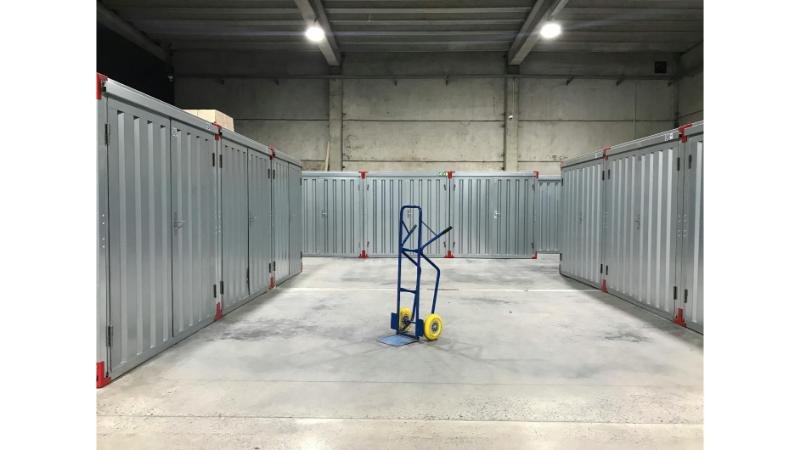
There is usually a quiet point where people realize the problem is no longer about one messy drawer but about the house not working properly. Rearranging the same piles does not help, and throwing everything away feels harsh or rushed. This is where local self-storage becomes useful as a middle step. If you’re looking for reliable facilities for storage Birmingham has many options, considering how frequently homeowners look for extra space to store some extra, but useful belongings.
These facilities give you a separate, neutral space where bulky or low-priority items can sit while you rethink how you want your rooms to work. Instead of forcing every part of your history into a crowded hallway, you can move some of it out of the way while you decide what actually deserves a place at home.
What Belongs in a Storage Unit
Using a storage unit properly starts with an honest question: how often do you actually touch this? Seasonal items are usually the first to move. Holiday decorations, camping gear, winter coats, and oversized sports equipment take up surprising room yet matter for only a few weeks each year. When they live elsewhere, your cupboards stop looking permanently stuck between seasons.
Some things stay because of memory, not use, like baby clothes, spare furniture, framed art, old letters, and boxes of photos. They matter, but they don’t need daily space. Storage keeps them safe without letting nostalgia crowd your home.
For people working from home, it also creates boundaries. Spare monitors, samples, banners, or printed materials can quietly turn a room into a storeroom. Moving them out lets your workspace breathe again.
Reclaiming Whole Rooms, Not Just Corners
The real benefit of local storage isn’t just tidier shelves. It’s getting whole rooms back. When the spare room isn’t stacked with boxes anymore, it can finally serve a clear purpose. Maybe it becomes a proper guest room, a quiet study, or a small hobby space. One job per room sounds simple, but it changes how the house feels.
Living areas shift, too. Remove extra chairs, random boxes, and forgotten furniture, and the room suddenly feels calmer and easier to keep clean. Even kitchens improve when overflow appliances move out. Clear benches make cooking easier, and meals feel less rushed. Nothing new was built, but the house starts working again.
Setting Up a Unit So It Actually Helps
A poorly packed storage unit just moves the clutter somewhere else. The goal isn’t to hide the mess but to organize it so you can actually find things later. Use sturdy boxes that stack neatly, label them clearly on more than one side, and keep a simple layout inside the unit. If space allows, leave a narrow walkway so you can reach the back without unloading half the unit.
Grouping items helps too. Keep bedroom things together, office supplies together, and decorations together. Some people even tape a rough map inside the door. Think in layers as well: items you’ll need sooner near the front, long-term storage at the back, heavier boxes below, and lighter, fragile ones safely on top.
Avoiding Common Storage Mistakes
One easy trap is treating a storage unit as a dumping ground where hard choices never need to happen. If you never review what you have stored, you simply shift the weight from one location to another and keep paying for it. A simple rule, like checking one shelf or one stack every few months, keeps things moving. Each visit, you can decide on a few items to sell, donate, or finally let go.
Another mistake is ignoring how emotional some boxes can be. Opening a container of old toys or letters in a quiet corridor can hit harder than you expect. It helps to go in with limits, such as keeping only one box of childhood items per person, or keeping photos but letting go of bulky extras. The storage unit then becomes a place where you can make these decisions at your own pace, without the rest of the household watching.
People also forget about basic protection. Not every unit offers full climate control, and time can be rough on paper, fabric, and certain finishes. Using plastic containers for items that dislike damp, wrapping furniture, and keeping anything valuable off the ground with pallets or boards are simple habits that reduce damage over the long term.
Letting Your Home Feel Like a Home Again
Using local storage with a bit of intention isn’t really about the lock or the unit itself. It’s about giving your everyday life some breathing room. When the overflow moves out, chores tend to take less effort, inviting people over feels simpler, and you’re no longer side-eyeing the same pile of things that keeps whispering, ‘sort me later.’
Closets start holding the clothes you actually wear. Living spaces return to what they’re meant for right now, not what they once stored. The extra items still exist, just somewhere built to handle them. Nothing dramatic happens overnight, but over time, the house feels lighter, calmer, more like a place to live than a place to store things.