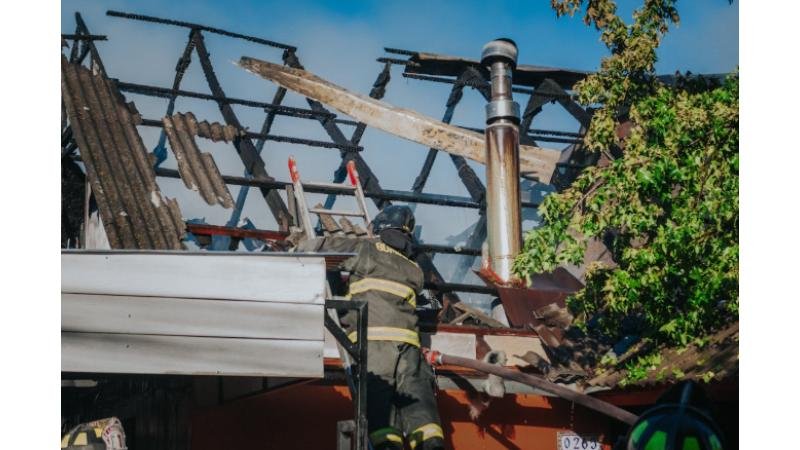
In Austin, fires often happen during dry weather, electrical faults, or kitchen accidents, and many homeowners assume the damage ends once the flames are out. The reality feels very different when you step back inside. The air smells off, surfaces feel gritty, and parts of the home that never caught fire still look affected. That confusion is common. Most people don’t realize how far smoke travels or how quickly soot starts damaging surfaces. Even a small fire can create problems across the entire home. If you’re dealing with this situation, understanding what’s happening behind the scenes helps you make better decisions early and avoid costly mistakes later.
Smoke Odor That Settles Deep Inside Materials
The smell after a fire doesn’t sit in the air alone. It sinks into fabrics, wood, and drywall. Curtains, sofas, carpets, and even clothing absorb that odor quickly. Opening windows or using sprays won’t fix it because the source remains trapped inside these materials. Many homeowners try to clean visible surfaces but miss what’s inside the structure. The HVAC system can also carry that smell into other rooms, making it feel like the problem keeps coming back. Removing the odor properly requires deep cleaning methods that target where the particles are embedded. Without that step, the smell can stay for weeks or even longer.
Soot Leaves More Than Surface Stains
Soot may look like a thin layer of dust, but it causes real damage if you leave it untouched. It sticks to surfaces and starts breaking them down over time. You might notice discoloration on walls or ceilings within hours. Metal fixtures can lose their finish, and kitchen appliances may start to show dull spots. Even tile grout can darken and become difficult to clean. Wiping it incorrectly often spreads the residue deeper into the surface. In Austin fire damage restoration experts handle soot using proper techniques that prevent further damage instead of spreading it. The longer the soot stays in place, the more permanent the damage becomes. Acting early gives you a better chance of saving materials instead of replacing them.
Water Damage That Lingers After Firefighting
Once the fire is under control, water becomes the next issue. Fire crews use large amounts of it to stop flames from spreading, and that water doesn’t disappear on its own. It soaks into flooring, walls, and insulation. Hardwood can swell, drywall can weaken, and carpets can stay damp for days. If the moisture isn’t removed quickly, it creates long-term problems. You may start noticing stains, warping, or a damp smell in certain areas. Many homeowners focus only on the burned sections and overlook this part. Drying the home properly is just as important as cleaning smoke and soot if you want to avoid further damage.
Mold Growth That Starts Quietly
Moisture left behind after firefighting creates the perfect environment for mold. It doesn’t take long for it to begin forming, especially in hidden areas like behind walls or under flooring. You might not see it right away, but you may notice a musty smell or slight discoloration over time. That’s often the first sign. Mold can spread quickly if the area stays damp, and it can affect indoor air quality. This becomes a bigger concern for families with allergies or breathing issues. Drying the space thoroughly and checking concealed areas helps prevent this problem. Ignoring moisture after a fire often leads to another cleanup issue later.
Hidden Structural Weakness You Can’t See
Fire affects more than surfaces. It weakens the structure of a home in ways that are easy to miss at first glance. Heat can reduce the strength of wood framing, loosen joints, and affect load-bearing areas. Roof sections and support beams may look intact but still carry hidden damage. Walking through the home without proper checks can be unsafe. Small cracks, uneven floors, or doors that no longer close properly can signal deeper issues. A thorough inspection helps identify what needs repair before anyone moves back in. Skipping this step puts both safety and long-term stability at risk, especially in homes where the fire burned for longer periods.
Electrical Systems That May No Longer Be Safe
Fire and heat can damage electrical systems even when there are no visible signs. Wires behind walls may have melted insulation, which increases the risk of short circuits later. Outlets and switches exposed to heat can become unreliable. Many homeowners turn the power back on too quickly, assuming everything still works. That can lead to hidden hazards. Flickering lights, unusual smells, or tripping breakers often point to underlying electrical damage. A licensed inspection helps confirm whether the system is safe to use. Addressing these issues early prevents future fire risks and ensures the home can support normal daily use without danger.
Belongings That Need Careful Evaluation
After a fire, many personal items look damaged but may still be recoverable. Furniture, clothing, and household items often absorb smoke and soot even if they were far from the flames. Cleaning them without the right approach can make things worse. For example, wiping soot into fabric can push it deeper into the fibers. Electronics also need careful handling since residue can affect internal parts. Sorting items quickly helps prevent further damage. Some belongings can be restored with proper cleaning, while others may need replacement. Taking time to evaluate everything correctly gives homeowners a better chance of saving items that still have value.
Fire damage continues long after the flames are gone, and much of it stays out of sight. Smoke spreads through the home, soot damages surfaces, and water creates new risks. Structural and electrical concerns add another layer that needs attention. Ignoring these issues can lead to higher repair costs and safety problems down the line. Understanding what happens after a fire helps homeowners respond in a more informed way. Taking action early, checking the entire property, and addressing each type of damage properly makes recovery more manageable. A clear plan and the right support can make a difficult situation easier to handle.