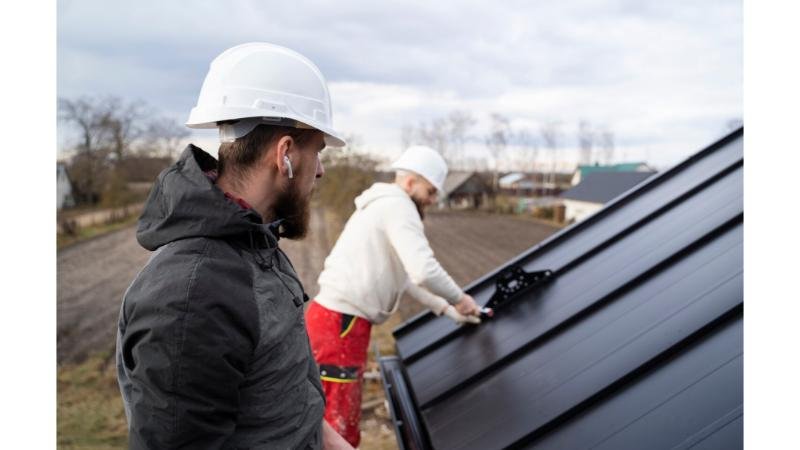
For many homeowners, the roof is easy to overlook until a serious problem appears. Yet roofing systems are one of the most important components of any home. They protect interiors from weather, contribute to energy efficiency, and influence overall property value. In South Texas, roofing systems face a combination of intense sun exposure, seasonal storms, humidity, and occasional hail. These conditions can gradually wear down materials and create hidden vulnerabilities over time. Property owners who invest in regular maintenance and informed roofing decisions are often better prepared to avoid major repair costs and preserve the long-term condition of their homes. Understanding how roofing affects structural protection,e energy performanc, and curb appeal can help homeowners make smarter choices before problems become severe.
Why Roofing Matters More Than Many Homeowners Realize
A roof functions as the first line of defense against environmental damage. Even a small weakness in the roofing system can eventually lead to water intrusion, mold growth, insulation problems, and interior damage. Many roofing issues begin subtly. A few loose shingles or a minor flashing issue may not seem urgent at first. However, moisture can spread beneath roofing layers and compromise wood decking or attic insulation long before leaks become visible indoors.
Beyond protection, roofing also impacts:
Indoor temperature regulation
Monthly energy costs
Ventilation performance
Home resale value
Insurance considerations
Exterior appearance
Because the roof affects so many aspects of a home, preventative care often delivers substantial long-term savings.
Common Roofing Challenges in South Texas
San Antonio and surrounding areas experience weather patterns that can place heavy stress on roofing materials throughout the year.
Heat and UV Exposure
Prolonged exposure to sunlight gradually weakens many roofing materials. Asphalt shingles may become brittle, while sealants and adhesives can deteriorate faster under extreme temperatures. Dark-colored roofs may absorb additional heat, increasing attic temperatures and forcing HVAC systems to work harder.
Heavy Rain and Storm Damage
Sudden storms can expose weaknesses that may have developed over time. Wind-driven rain often finds its way into damaged flashing, roof valleys, or improperly sealed penetrations. Even moderate leaks can create long-term moisture problems if not repaired quickly.
Hail Impact
Hailstorms can damage shingles by knocking away protective granules or creating cracks that weaken the roof’s water resistance. Some hail damage is difficult to detect from the ground, which is why inspections after major storms are important.
Poor Ventilation
Many roofing problems are connected to inadequate attic ventilation. Trapped heat and moisture can shorten roof lifespan and contribute to mold growth or wood rot. Proper airflow allows roofing systems to perform more effectively year-round.
Signs a Roof May Need Attention
Homeowners can often identify early warning signs before major problems occur.
Some common indicators include:
Water stains on ceilings
Missing or curled shingles
Granules collecting in gutters
Sagging roof sections
Increased indoor humidity
Higher cooling costs
Mold or mildew odors in the attic
Damaged flashing around vents or chimneys
Routine inspections can help detect these issues before structural damage develops. Many roofing professionals recommend scheduling inspections annually and after significant storms.
The Benefits of Preventive Roofing Maintenance
Preventive maintenance is one of the most effective ways to extend the lifespan of a roof. Rather than waiting for visible leaks or severe damage, proactive homeowners often save money by addressing small problems early.
Key Maintenance Practices
Remove leaves and debris from gutters
Trim overhanging tree branches
Inspect shingles after storms
Check attic ventilation regularly
Repair damaged flashing promptly
Schedule periodic professional inspections
These relatively simple steps can reduce the risk of expensive structural repairs later. Maintenance also helps preserve manufacturer warranties for certain roofing products.
Choosing Roofing Materials for Long-Term Durability
Different roofing materials offer varying levels of durability, energy efficiency, and maintenance requirements.
Asphalt Shingles
Asphalt shingles remain one of the most popular roofing choices because they balance affordability and versatility. Modern options are available in a wide range of colors and impact-resistance ratings.
Metal Roofing
Metal roofing systems are valued for their durability and energy efficiency. Reflective coatings can help reduce heat absorption during hot summers. Metal roofs may also offer longer life spans compared to some traditional materials.
Tile Roofing
Clay and concrete tile roofs are common in warmer climates because of their durability and visual appeal. They perform well in heat but may require specialized installation and support structures.
Energy-Efficient Roofing Options
Cool roofing materials are designed to reflect more sunlight and absorb less heat. These systems may help lower cooling costs while improving indoor comfort. Homeowners planning a roof replacement often benefit from comparing material performance, maintenance expectations, and long-term value rather than focusing only on upfront costs.
The Value of Professional Roofing Expertise
Roofing systems involve many interconnected components, including decking, flashing, underlayment, ventilation, drainage, and insulation. Improper installation or overlooked damage can create long-term problems that are expensive to correct later. Working with experienced professionals can help homeowners better understand the condition of their roofing system and determine appropriate solutions for their property. When researching local roofing considerations and repair options, homeowners can review resources related toroofing San Antonio to better understand the unique environmental challenges roofs face in the area. Experienced contractors are often able to identify hidden vulnerabilities that homeowners may not notice during casual visual inspections.
How Roofing Influences Property Value
A well-maintained roof contributes significantly to overall property value. Buyers often pay close attention to roof condition during inspections because roofing problems can indicate larger maintenance concerns.
An aging or visibly damaged roof may:
Lower buyer confidence
Delay home sales
Reduce appraisal values
Increase insurance concerns
Lead to costly negotiations during closing
On the other hand, a newer or properly maintained roof can improve curb appeal and reassure potential buyers. Investing in roofing maintenance may therefore benefit homeowners both while living in the property and when preparing to sell.
Conclusion
Roofing systems play a critical role in protecting homes from weather, improving energy efficiency, and preserving long-term property value. In South Texas, where heat, storms, and humidity place constant stress on roofing materials, routine maintenance and informed decision-making are especially important. By addressing small issues early, selecting durable materials, and working with experienced professionals, homeowners can reduce the likelihood of major repairs and extend the lifespan of their roof. A proactive approach to roofing care not only protects the structure itself but also helps maintain comfort, efficiency, and confidence in the long-term condition of the home.