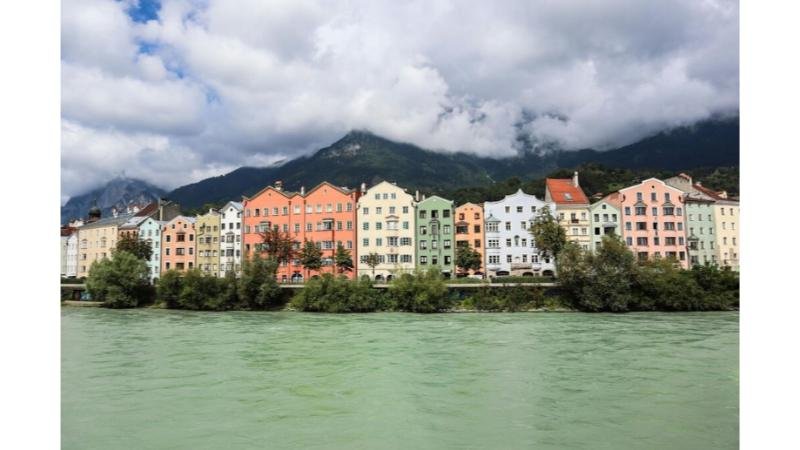
Imagine this: You step off the train in Vienna. Gold-leafed palaces tower beside cutting-edge galleries. Within an hour, you’re cycling through the Danube wine country. By morning, you’re gazing at a glassy alpine lake ringed by candy-colored houses. Austria crams Habsburg grandeur, jagged peaks, and storybook landscapes into a space smaller than Maine—and trains link nearly everything.
The numbers tell the story: Austria dominated European tourism in 2023, surging past Portugal, Poland, Switzerland, Albania, Sweden, Ireland, and Cyprus with almost thirty-one million international arrivals. Before you pin every Vienna palace and Hallstatt viewpoint, let’s decode Austria’s regions and travel rhythms so you build an itinerary around your goals—not a generic bucket list.
Austria at a Glance for First-Time Visitors (Fast Planning Essentials)
Think of Austria in four chunks: the imperial East (Vienna plus the Danube corridor), the cultural heartland (Salzburg and those famous lakes), the alpine West (Tyrol and Innsbruck), and the under-the-radar South (Styria, Carinthia). Most newcomers gravitate toward three paths: urban + heritage (Vienna and Salzburg), lakes + hamlets (Hallstatt, Wolfgangsee), or mountains + action (Innsbruck, Zell am See). Plan three days in Vienna, two apiece for Salzburg and Innsbruck, plus one or two around the lakes. Mid-tier budgets run €80–120 daily, covering sleep, food, and transit. Austria consistently ranks among Europe’s safest nations, with stellar accessibility and kid-friendly setups everywhere. Tyrol alone pulled nearly eleven million guests in 2023, while Salzburg and Vienna each drew roughly six million—proof these zones anchor first-timer routes.
Here’s the thing about staying connected: mobile data transforms your trip. It powers the ÖBB rail app for live train updates, Google Maps for those hidden alleyways, instant ticket downloads, and menu translations when German throws you a curveball. Smart travelers now research the best esim for austria before flying out and activate it pre-departure, dodging airport SIM kiosk lines and going live the second wheels touch down—invaluable when you’re decoding Vienna’s subway or snagging last-minute Schönbrunn time slots. With your style mapped and rough timeline sketched, let’s start where nine out of ten visitors (and virtually every international flight) touch down: Vienna, Austria’s imperial anchor and the foundation of any well-built itinerary.
Vienna — Imperial Capital and the #1 Start in Any Austria Travel Guide
Vienna fuses Baroque opulence with contemporary edge, and the majority of top attractions in Austria cluster inside its Ringstrasse boulevard loop. Begin at Schönbrunn Palace—grab a 9 a.m. slot to outpace tour groups, walk the Grand Tour chambers, then hike to Gloriette for sunrise-washed city views. The gardens remain free all day, ideal for lazy afternoon sprawls.
Hofburg Complex and St. Stephen’s Cathedral
The Hofburg packages the Sisi Museum, Imperial Apartments, and Spanish Riding School into one efficient half-day circuit. Time it right to catch morning exercises (far cheaper than evening galas).
St. Stephen’s Cathedral anchors the Altstadt—scale the South Tower for rooftop panoramas, then wander hidden passages off Graben and Kohlmarkt. Café Central draws tourists by the busload; locals lean toward cozy spots like Café Hawelka for the real Viennese vibe.
Belvedere Palace and Modern Vienna
Belvedere Palace protects Klimt’s The Kiss—combine it with MuseumsQuartier for modern art when rain strikes. Want something different? Bike Danube Island at dusk or visit DC Tower’s observation deck for skyline angles most travelers overlook.
Evenings? Skip pricey State Opera seats and catch budget-friendly concerts in Karlskirche or St. Peter’s Church instead. Vienna’s baroque splendor and urban energy checked off, a breezy 90-minute train west delivers you into an entirely different Austria: vineyard hillsides, riverside monasteries, and the unhurried scenery that made the Danube legendary.
Salzburg — Music, Baroque Beauty, and One of the Top Attractions in Austria
Salzburg packs culture tightly: Mozart’s birthhouse, a clifftop fortress, and a UNESCO Old Town you can cover in two hours flat. Hohensalzburg Fortress commands the skyline—ride the funicular before 9 a.m. to shoot the city, stirring beneath alpine silhouettes. The fortress delivers 360-degree vistas worth every step.
Mirabell Gardens flow naturally into a Getreidegasse stroll, that shopping corridor with ornate iron signs where Mozart entered the world. Not into Sound of Music nostalgia? Walk the Salzach River promenade at twilight for blue-hour mirror shots. Stiegl Brewery tours add local flavor (with non-alcoholic options), and the DomQuartier pass bundles baroque galleries, cathedral access, and palace halls into one smooth ticket. Salzburg brings history and melody, but Austria’s true postcard punch lies just an hour east: crystalline lakes, pastel hamlets, and mountain reflections that look Photoshopped (minus the mobs, if you choose your hours wisely).
Hallstatt & the Salzkammergut Lakes — Postcard Austria Without the Crowds
Hallstatt earned its Instagram throne, but swarms invade between 10 a.m. and 4 p.m. Sleep there overnight or show up at dawn for silent lanes and glassy water. The Skywalk platform frames the classic shot—hike or funicular up, but go early. Even better? Park yourself in Bad Ischl (thermal baths, Kaiservilla, rain-proof activities) or St. Wolfgang, where the Schafberg Railway ascends to alpine views minus Hallstatt’s chaos.
Gosausee offers Hallstatt’s drama with a tenth of the foot traffic—an easy lakeside loop wraps the reflection pool in under sixty minutes, and the Dachstein backdrop matches anything you’ve saved on Pinterest. Lake Wolfgang completes the circuit with ferries, hillside cafés, and family-friendly swim zones locals prefer over the famous village. After absorbing lake reflections and mountain calm, pivot west to a city that changes the game: Innsbruck plants you in a medieval core where snowy ridgelines soar right behind cobblestone plazas.
Innsbruck — Alpine City Where Mountains Start at the Old Town
Innsbruck’s Golden Roof (a fifteenth-century balcony wrapped in 2,657 gilded shingles) anchors a tight Old Town you can walk in ninety minutes. The showstopper? The Nordkette Cable Car blasts from downtown to 2,300 meters in twenty minutes—monitor weather closely, since fog ruins everything. Clear days deliver hiking routes, a summit café, and views spanning Tyrol’s spine.
Swarovski Kristallwelten (Crystal Worlds) makes an offbeat half-day of art installations and whimsy appeal. Craving quieter alpine moments? Day-trip to Seefeld’s plateau for meadow rambles sans elevation drama, or ride Stubai Glacier lifts for summer snowfields. Alpbach village serves up storybook chalets and scenic gondolas if you’ve got bonus time and want Innsbruck’s mountain pulse minus urban energy. You’ve now toured Austria’s headline acts from east to west—so let’s pull back and organize the country’s standout experiences by interest, from scenic rail routes and beginner hikes to thermal pools and jaw-dropping viewpoints best caught at golden hour.
Best Things to Do in Austria (First-Timer Experiences by Interest)
Austria’s trains double as moving theaters—Vienna to Salzburg rolls past farmland, Salzburg to Innsbruck carves through valleys, and the Semmering Railway (UNESCO-protected) offers vintage romance for rail enthusiasts. Book ÖBB tickets weeks out for discounts; reserved seats aren’t mandatory on most lines, but help during peak summer waves.
For accessible alpine trails, try Schafberg’s ridgeline paths (reached via cog train), Gosausee’s level circuit, or Nordkette’s marked tracks above Innsbruck—all yield grand views without technical scrambles. Thermal complexes in Bad Ischl or regional spa resorts slot beautifully into 7–10 day trips when you need recovery between cities. Prime viewpoints for magic-hour shots include Gloriette (Vienna), Hohensalzburg battlements (Salzburg), Hallstatt Skywalk, and Nordkette’s Top of Innsbruck deck. With experiences sorted thematically, let’s stack them into real, field-tested routes—whether you’ve got five days for a city dash, seven for the classic circuit, or ten to weave in an underrated treasure without rushing.
Getting Around Austria (Trains, Scenic Routes, and Smart Booking)
ÖBB trains weave through Vienna, Salzburg, and Innsbruck effortlessly—grab the app, hunt Sparschiene (discount) tickets, and purchase directly. Reserved seats matter on cross-border lines and summer weekends, but aren’t required for domestic flights. Overnight trains work if you’re looping Munich or Zurich, though most Austria-only shops don’t need them. The five-star, four-star, and holiday flat sectors showed strength, rising to 4.8%, signaling traveler trust in quality lodging near transit hubs.
Cars unlock remote lakes (Gosausee, Grundlsee) or dawn photography at Hallstatt, but parking in Vienna, Salzburg, and Innsbruck costs more than rail fares. Rent only if your plan prioritizes freedom over ease—trains beat gridlock and headaches for city-to-city hops. Those routes function brilliantly if you decode Austria’s famously smooth (yet occasionally puzzling) transit web—so here’s your blueprint for mastering ÖBB trains, deciding car needs, and maintaining seamless connectivity with mobile data throughout.
Common Questions About Visiting Austria for the First Time
Which are the best places to visit in Austria for a 4–5 day trip?
Concentrate on Vienna (2–3 days) and Salzburg (2 days). Insert Hallstatt only if you sleep there—day excursions burn travel hours without reward.
Is Hallstatt worth the hype, or should I explore alternative lake towns?
Hallstatt’s iconic yet swarmed. St. Wolfgang, Bad Ischl, and Gosausee serve similar beauty with elbow room and stronger value for newcomers.
How many days in Vienna covers top attractions in Austria?
Three complete days handle Schönbrunn, Hofburg, Belvedere, Old Town wandering, and one contemporary pick (Danube Island or MuseumsQuartier) without racing.
Final Thoughts on Your First Austria Adventure
Austria gifts first-timers with punctual trains, walkable cities, and landscapes morphing from imperial estates to alpine mirrors in under two hours. Whether you’re hunting Klimt masterpieces in Vienna, fortress panoramas in Salzburg, or mountain reflections at Hallstatt, the best places to visit in Austria weave effortlessly into routes feeling designed, not frantic.
The things to do in Austria span gentle alpine rambles to thermal spa resets, ensuring every traveler finds their rhythm. Lead with the classics, toss in one wildcard (Gosausee, Graz, or sunrise at Gloriette), and you’ll grasp why Austrian tourism flourishes—it’s majestic, stunning, and wonderfully doable, even for complete rookies.