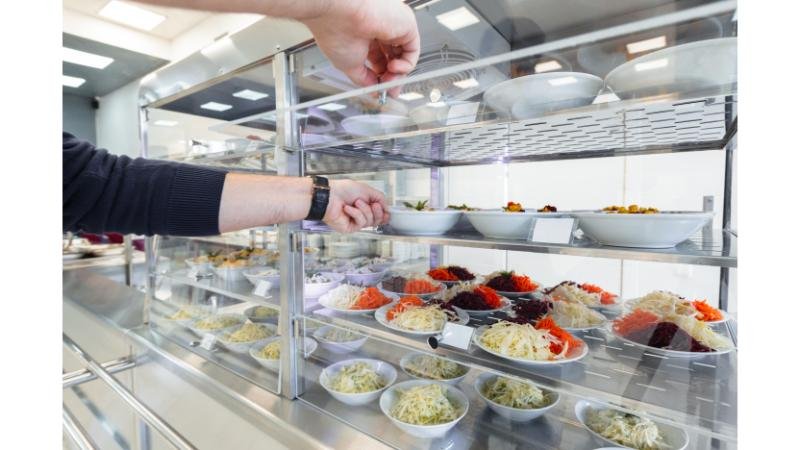
Running a food business in New South Wales comes with strict responsibilities, especially when it comes to food safety. One of the most critical areas is refrigeration, as improper temperature control can lead to food spoilage and serious health risks. Understanding and following commercial refrigeration regulations is essential not only for compliance but also for protecting your customers and reputation. Ensuring your systems are correctly set up by professionals offering refrigeration installation wollongong can help you meet regulatory standards from the very beginning.
Why Refrigeration Compliance Matters
Food safety regulations are designed to minimise the risk of contamination and foodborne illnesses. Refrigeration plays a vital role in this by keeping perishable items at safe temperatures. Failure to comply with these standards can result in fines, business closure, or damage to your brand’s reputation. More importantly, it can put customers at risk, which no business can afford.
Temperature Control Requirements
Maintaining the correct temperature is one of the key requirements under NSW food safety standards. Generally, cold food must be stored at or below 5°C to prevent bacterial growth, while frozen food should remain fully frozen. It’s important to regularly monitor and record temperatures to ensure compliance. Many businesses use digital thermometers or automated systems to keep accurate records.
Proper Storage and Organisation
Refrigeration is not just about temperature—it’s also about how food is stored. Proper organisation helps prevent cross-contamination and ensures food remains safe for consumption.
Some best practices include:
- Keeping raw and cooked foods separate
- Storing food in sealed, labelled containers
- Avoiding overloading refrigeration units
- Ensuring good airflow within storage areas
These simple steps can make a big difference in maintaining hygiene standards.
Equipment Standards and Maintenance
Commercial refrigeration units must meet certain standards to be considered compliant. This includes being capable of maintaining consistent temperatures and being constructed from materials that are easy to clean. Regular maintenance is also essential. Faulty equipment can lead to temperature fluctuations, putting food safety at risk. Scheduling routine inspections and servicing helps prevent unexpected breakdowns.
Cleaning and Hygiene Practices
Cleanliness is a key component of food safety regulations. Refrigeration units must be cleaned regularly to prevent the buildup of bacteria, mould, and unpleasant odours.
Staff should be trained to follow proper cleaning procedures, including:
- Wiping down surfaces daily
- Cleaning spills immediately
- Conducting deep cleans on a regular schedule
Maintaining a clean environment supports both compliance and customer confidence.
Record-Keeping and Documentation
Food businesses in NSW are often required to maintain records that demonstrate compliance with safety standards. This includes temperature logs, maintenance records, and cleaning schedules. Keeping accurate documentation not only helps during inspections but also allows you to quickly identify and address any issues.
Staff Training and Responsibility
Your team plays a crucial role in maintaining refrigeration standards. Proper training ensures that staff understand how to handle food safely and operate equipment correctly. Clear procedures and regular updates can help reinforce good practices and reduce the risk of errors.
Staying Ahead of Inspections
Health inspections are a routine part of running a food business. Being prepared at all times ensures that inspections go smoothly and without issues. Regular internal checks, proper documentation, and well-maintained equipment can help you stay compliant and avoid penalties.
Building a Safe and Reliable Food Business
Adhering to commercial refrigeration regulations is not just about meeting legal requirements—it’s about building a trustworthy and successful business. Customers expect safe, high-quality food, and proper refrigeration is a key part of delivering that. By investing in the right systems, maintaining them properly, and following best practices, you can ensure your business operates smoothly while meeting all necessary standards.Click here for more information.