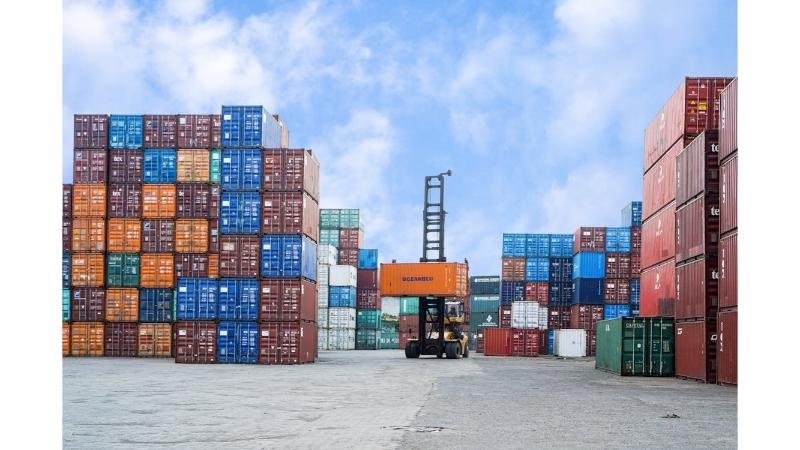
Most people picture shipping containers sitting in ports, stacked on cargo ships, or moving along rail lines carrying goods around the world. These large steel boxes were originally designed to make global shipping easier and more efficient. Their standardized sizes allow them to move smoothly between ships, trucks, and trains, which revolutionized modern logistics. But over time, industries began to notice something else about shipping containers. They are extremely durable, weather-resistant, and built to handle tough conditions for years. Because of that strength, they can serve purposes far beyond transporting goods.
In the last decade, businesses across many sectors have started using containers in creative ways. Construction companies use them as mobile workspaces. Industrial facilities turn them into secure storage units. Some organizations even convert them into offices or equipment housing. Their modular design makes them easy to stack, move, and adapt to different environments. These advantages have made shipping containers attractive for companies that need flexible, affordable structures. Instead of building from scratch, businesses can repurpose containers for practical solutions that work almost immediately.
Why Businesses Are Turning to Containers for Industrial Projects
Shipping containers offer a unique combination of strength, flexibility, and affordability that traditional structures often cannot match. Many companies provide a ready-made solution that can be deployed quickly without long construction timelines. One major advantage is durability. Containers are made from heavy steel and built to withstand harsh weather during international transport. This makes them reliable for outdoor industrial environments where equipment or materials must remain protected.
Plus, containers can be used individually or connected together to create larger spaces. Businesses can expand their setups by simply adding more units when needed. This flexibility is especially useful for growing operations or temporary project sites. Because of these benefits, many businesses begin their search by looking for reliable suppliers where they can buy shipping containers suited for industrial use. Container sales providers typically offer units in multiple sizes and conditions, allowing companies to choose containers that fit their specific needs, whether for storage, construction projects, or operational facilities. Another reason companies prefer containers is mobility. Unlike permanent buildings, containers can be transported from one location to another. If a project moves or expands, the container can move with it. For industries that rely on adaptable infrastructure, this mobility makes containers a smart long-term investment.
Container-Based Industrial Storage Facilities
One of the most common industrial uses for shipping containers is on-site storage. Businesses often need secure spaces to keep tools, equipment, and materials safe, especially at construction sites or outdoor job locations. Containers are ideal for this purpose because they are already designed to protect cargo from weather and damage. Their steel construction keeps equipment secure, and lockable doors provide an extra level of protection against theft. Construction companies frequently place containers on job sites to store power tools, machinery parts, and building supplies. Instead of transporting equipment back and forth each day, crews can keep everything organized in one secure location.
Manufacturing facilities also use containers as additional storage space when warehouses reach capacity. Since containers can be stacked or arranged in rows, businesses can quickly expand their storage areas without building permanent structures. Another advantage is portability. If the worksite changes, the container can be loaded onto a truck and moved to the next location. This flexibility makes containers extremely useful for temporary industrial projects.
Mobile Workshops and Industrial Workspaces
Shipping containers are also being transformed into mobile workshops. These portable workspaces allow technicians and construction teams to complete tasks directly at the job site. With some modifications, a container can become a fully functional workspace. Businesses can install electrical systems, ventilation, lighting, and shelving to create an efficient working environment. Workbenches and tool storage areas can also be added to support daily operations.
These mobile workshops are especially useful for industries that operate in remote or changing locations. Construction crews, maintenance teams, and repair specialists often need workspaces close to their equipment. A container workshop allows them to perform repairs or fabrication without traveling back to a central facility. Because containers are compact and secure, tools and materials can remain inside the unit overnight. This saves time and keeps essential equipment organized and protected.
Modular Office Spaces for Industrial Sites
In addition to workshops and storage units, containers can also be converted into office spaces for industrial sites. These modular offices are often used at construction projects, mining operations, and large infrastructure developments. Setting up a container office is typically much faster than building a traditional structure. Once delivered, the container can be modified with insulation, windows, doors, and climate control systems. Inside, it can function just like a small office with desks, computers, and meeting areas.
Companies often use container offices as management centers where supervisors coordinate daily operations. Workers can gather there for safety meetings, project planning, and administrative tasks. If the project expands, additional containers can be connected to create larger office spaces. This modular approach allows businesses to scale their facilities based on current needs.
Container-Based Equipment Housing
Another creative industrial use for containers is housing specialized equipment. Many industries rely on large machines such as generators, compressors, or control systems that must be protected from environmental conditions. Containers provide a strong outer shell that shields equipment from rain, dust, and temperature changes. With proper ventilation and insulation, they can maintain a stable environment for sensitive machinery.
Companies often customize containers to fit their equipment requirements. This might include installing cooling systems, electrical wiring, or reinforced flooring to support heavy machinery. Using containers for equipment housing also improves security. Lockable steel doors help prevent unauthorized access, which is important when storing expensive or sensitive equipment. Because containers are portable, equipment units can also be relocated when operations move to a new site.
Pop-Up Industrial Retail and Distribution Hubs
Containers are also becoming useful for temporary distribution centers and supply hubs. Businesses that operate in remote areas or temporary project locations often need a place to distribute materials or equipment quickly. A container can serve as a small warehouse or supply station where workers pick up tools, safety gear, or replacement parts. Since containers are easy to transport and install, companies can establish these hubs wherever they are needed. In some cases, containers function as pop-up retail spaces for industrial supplies. Contractors working on large projects can access equipment and materials on-site rather than traveling long distances to purchase them. These mobile distribution points improve efficiency and reduce downtime for workers who need immediate access to essential items.
Shipping containers were originally designed to move goods across oceans and continents, but their usefulness extends far beyond transportation. Their strength, portability, and modular design make them valuable tools for modern industries. Today, businesses are using containers for storage facilities, mobile workshops, office spaces, equipment housing, and temporary distribution centers. These creative applications allow companies to build flexible infrastructure without long construction timelines. As industries continue to look for practical and cost-effective solutions, shipping containers will likely play an even bigger role in industrial innovation. By thinking beyond their original purpose, businesses are discovering just how versatile these steel structures can be.