Key Takeaways
- DC fast chargers are rapidly expanding, enhancing the practicality of EVs.
- Government initiatives and private investments are accelerating the deployment of fast charging stations.
- Technological advancements are improving charging efficiency and accessibility.
Table of Contents
- Expansion of DC Fast Charging Networks
- Government Initiatives and Private Investments
- Technological Advancements in Fast Charging
- Impact on EV Adoption and Consumer Confidence
- Challenges and Future Prospects
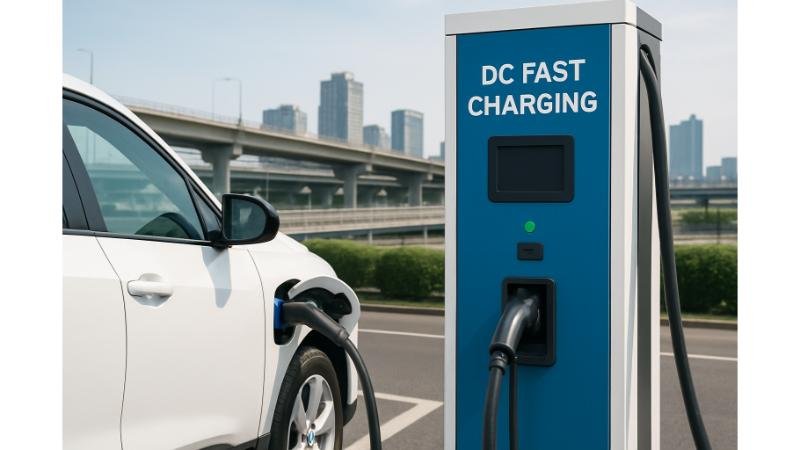
Electric vehicles (EVs) are rapidly reshaping the future of transportation in cities and on highways across the globe. A major force behind this shift is the expansion of DC fast charging networks, which have dramatically decreased the time it takes for EV owners to recharge. Fast, convenient charging options like a DC fast charger have bridged the gap between electric and conventional cars, making EVs increasingly viable for everyday driving, long road trips, and commercial use.
As adoption accelerates, the demand for robust, fast, and accessible charging infrastructure is more urgent than ever. Networks that deliver rapid energy top-ups at malls, highways, and workplaces are turning what was once a niche market into the backbone of a greener, more sustainable transportation system. With contributions from both public and private stakeholders fueling growth, the scene is set for significant transformation in how we approach fueling our vehicles.
Expansion of DC Fast Charging Networks
The United States is experiencing a surge in the installation of DC fast charging stations. In 2025 alone, more than 18,000 new DC fast-charging ports entered operation, representing a 30 percent year-over-year increase. This fast-paced growth is a direct response to the swelling population of EVs and society’s collective pursuit of cleaner transportation alternatives. The trend points to a robust network that not only serves urban areas but also bridges the charging gap in less populated regions. By integrating charging sites along major highways and rural corridors, the industry has moved closer to delivering reliable coast-to-coast charging access for all drivers.
Government Initiatives and Private Investments
Public funding and policy have played a pivotal role in fostering the growth of EV infrastructure. In a recent milestone, the Biden administration allocated $623 million in federal grants to expand the charging network, aiming to install 7,500 charging ports spanning 22 states and Puerto Rico. This is one step in an ambitious plan to achieve 500,000 public chargers nationwide by 2030.
Meanwhile, automakers and private enterprises are increasing their involvement, pooling resources to develop networks such as a newly planned consortium targeting 30,000 high-power charging stations across North America. Strategic partnerships and direct investments are crucial for accelerating the construction and integration of fast-charging locations at scale.
Technological Advancements in Fast Charging
The landscape for fast charging is constantly evolving, thanks to impressive advances in hardware and software. Next-generation DC fast chargers are now delivering power outputs exceeding 350 kilowatts, with prototypes pushing the envelope to 500 kilowatts or more. With these higher power ratings, modern EVs can recharge up to 80 percent of their battery capacity in under 15 minutes. The reduction in charging times is particularly impactful for commuters and commercial fleet operators who demand efficiency. Additionally, smart systems are being introduced to intelligently manage charging demand, balance electric grid loads, and distribute energy resources more efficiently. Enhanced payment options and robust station reliability are making fast charging more user-friendly as well.
Another exciting development involves the integration of renewable energy sources directly into charging stations. For example, some new sites are utilizing solar panels and advanced battery storage to help supply sustainable power for chargers, further minimizing the carbon footprint of EV fueling. Over-the-air software updates for chargers now allow for remote performance enhancements and diagnostics, reducing the risk of downtime and making it easier for operators to maintain a high level of service reliability. The growth of plug-and-charge technology, which lets drivers simply plug in and automatically handle authentication and billing, is yet another example of innovation that enhances the charging experience and streamlines use for EV owners.
Impact on EV Adoption and Consumer Confidence
The expansion of DC fast charging networks directly addresses the biggest hurdles to EV adoption: range anxiety and convenience. With stations being rapidly deployed along highways and at major destinations, EV owners are gaining greater confidence in their ability to travel long distances without prolonged stops. According to recent studies, improved access to fast charging significantly boosts consumer willingness to purchase electric vehicles. This effect is particularly pronounced among urban dwellers and those new to EVs, who are increasingly persuaded by shorter wait times and widely available infrastructure. Passenger fleets, delivery services, and ride-hailing operators are also turning to EVs as a pragmatic, reliable solution for their transportation needs, driven in part by the streamlined charging ecosystem.
Consumer education and awareness campaigns further strengthen confidence by helping drivers understand what to expect from today’s fast charging experiences and the growing number of vehicle models compatible with rapid charging. As charging infrastructure becomes highly visible in communities and at destination hubs, it encourages more drivers to consider electric vehicles for their next purchase. This is especially true as automakers introduce new EVs at a variety of price points and continue to improve efficiency and driving range.
Challenges and Future Prospects
Despite remarkable progress, several obstacles remain. The initial expense of installing DC fast chargers is substantial, often requiring upgrades to the electrical supply and infrastructure. Utilities and network operators also face the task of coordinating with grid authorities to prevent overloads during peak usage. Additionally, the industry still contends with interoperability, as standardizing charging connectors and communication protocols remains a work in progress. However, ongoing research, new government funding rounds, and joint efforts between manufacturers and tech firms point toward effective solutions.
As electric vehicles become mainstream, the continued investment in DC fast charging networks will be a cornerstone of sustainable mobility. These technologies are crucial for encouraging mass EV adoption and will likely have a lasting impact on emissions reduction and urban planning worldwide.