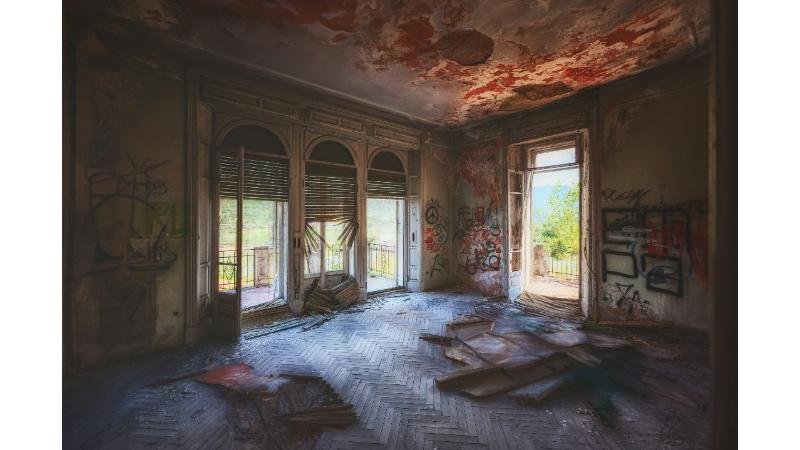
Basements are one of the most overlooked spaces in any home. Most homeowners use them for storage, laundry, or the occasional hobby project, rarely giving the space a second thought. But beneath that casual neglect, a basement can quietly develop serious problems that threaten both the structure of your home and the health of everyone living in it. Whether you own an older property or a newer build, your basement deserves just as much attention as any other part of the house.
When Moisture Takes Over
Of all the threats a basement can harbor, moisture is the most persistent. Water finds its way in through cracks in the foundation, gaps around windows, poorly sealed walls, or simple condensation from temperature differences. Once moisture takes hold, it creates the perfect breeding ground for mold. Mold growth in basements is more common than most people realize, and it rarely stays contained to one corner. It spreads along walls, under flooring, and behind stored belongings before you even notice the telltale musty smell. Left alone, it can cause respiratory issues, trigger allergies, and aggravate asthma, particularly in children and older adults.
When mold has already spread significantly, and DIY cleaning has not worked, calling in a professional for mold remediation is often the most thorough and lasting way to clear it out and stop it from returning. Addressing moisture at the source is equally critical. Check your gutters and downspouts to make sure they direct water well away from your foundation. Seal any visible cracks in the walls or floor using appropriate patching materials. A dehumidifier running consistently during humid months can also make a meaningful difference in keeping moisture levels in check.
Radon: The Invisible Risk
Radon is a gas that forms naturally in the ground as certain minerals in soil and rock slowly break down over time. It seeps upward through the ground and can enter a home through foundation cracks, gaps around pipes, or other openings. Because it is completely colorless and odorless, there is no way to detect it without proper testing. Radon is one of the leading causes of lung cancer among non-smokers, making it a genuinely serious concern that most homeowners never think about. The only way to know whether your basement has elevated radon levels is to test for it. Testing kits are widely available and simple to use. If results come back high, a radon mitigation system can be professionally installed to vent the gas safely out of the home.
Electrical Hazards Hidden in Plain Sight
Older homes frequently have outdated wiring running through the basement, and even newer homes can develop electrical problems over time. Exposed wires, overloaded circuits, outdated panels, and improperly installed outlets are all common findings in basement spaces. Homeowners often add lighting, shelving, or appliances to their basement over the years without consulting an electrician, and the result can be a patchwork of wiring that is genuinely hazardous. Faulty electrical work is a significant fire risk, and because basements are not always checked regularly, a small smoldering issue can go undetected for too long. Have a licensed electrician inspect your basement, especially if the home is older or if you have made any additions to the space yourself. Updating the wiring and ensuring the panel is properly rated for your home’s current electrical load is an investment that protects the entire household.
Structural Issues That Quietly Worsen
Foundation walls are not just walls. They hold up the entire structure above them. When cracks appear, when walls begin to bow or lean, or when you notice gaps forming between the wall and the floor, these are signs that something is shifting below. Structural problems in a basement tend to develop slowly, which is actually part of what makes them so dangerous. Because the changes are gradual, homeowners often assume the issue is minor or cosmetic.
In reality, even a small horizontal crack in a foundation wall can indicate significant pressure building up from the surrounding soil. A structural engineer or foundation specialist can assess the severity of any visible damage. Some issues are straightforward repairs, while others require more involved reinforcement. The key is not to wait. A problem that is addressed early is almost always less expensive and less disruptive to fix than one that has been left to worsen over several seasons.
Carbon Monoxide From Basement Equipment
Many homes have their furnace, water heater, or boiler located in the basement. These appliances, when they malfunction or are improperly vented, can release carbon monoxide into the living space. Like radon, carbon monoxide is invisible and has no smell, making it impossible to detect without a functioning detector. Carbon monoxide poisoning symptoms often mimic the flu, which means people sometimes dismiss early warning signs entirely. Every home should have working carbon monoxide detectors installed, with at least one near the basement and one on each additional floor. Appliances should also be serviced annually by a qualified technician to ensure they are burning fuel cleanly and venting gases to the outside properly.
Pest Entry Points and What They Bring With Them
Basements give pests easy access to a home. Mice, rats, insects, and other unwelcome visitors typically enter through gaps in the foundation, around pipes, or under doors. Once inside, they can damage insulation, chew through wiring, contaminate stored items, and introduce allergens into the air. Sealing entry points is the first line of defense. Walk the perimeter of your basement and look for any gaps, no matter how small, especially around utility penetrations where pipes and wires enter the home.
Steel wool packed into gaps, followed by a proper sealant, can prevent rodents from squeezing through. For insects, caulking gaps and ensuring window wells drain properly reduces their access points considerably. A basement that is well-maintained, properly sealed, and routinely checked is a much safer and healthier part of your home. Taking the time to address these issues one by one protects not just the structure, but the people living above it.